



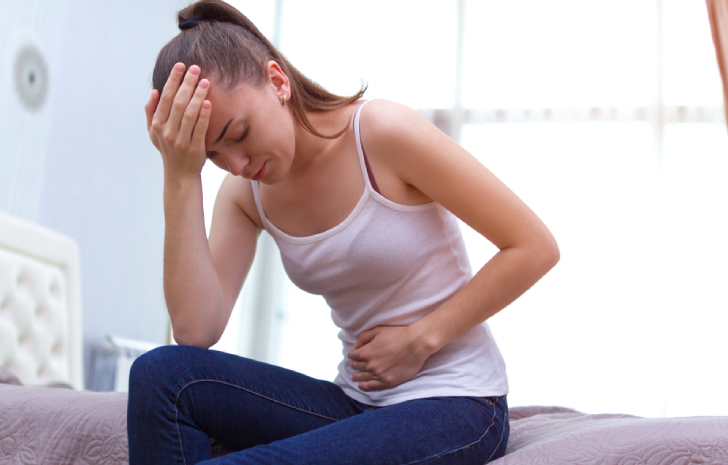
However careful one is about health, there is always the possibility of meeting unexpected situations from time to time. Endometriosis can make things more complicated not only in terms of diagnosis and treatment but also in terms of staying emotionally strong. Emotional resilience is an important coping mechanism for patients with endometriosis.
Emotional resilience can be defined as the ability to withstand and adapt to the various stress factors met throughout life. In other words, emotional resilience is the process of adapting to the trauma and stress related to illness, a personal event or an unexpected personal financial crisis.
However, emotional resilience does not mean that the patient will experience no stress. It is essentially about building healthy coping mechanisms that do not allow these stress factors to affect quality of life. At the same time it should not be forgotten that building and increasing emotional resilience takes time, effort and the will to succeed.
Endometriosis Can Cause Emotional Ups and Downs
The emotional impact of endometriosis is usually felt from the beginning of adolescence. Because many young girls think that the period pain they experience is normal, that it can be relieved with painkillers and that it will pass in time, diagnosis and treatment are delayed.
Endometriosis can have a great effect on emotional health and affect women’s quality of life negatively. Although patients with endometriosis can share common symptoms, every patient’s emotional journey and her strategy for coping with the emotional turmoil she experiences are unique. Specifically, there are great differences in how people cope with pain and how they express themselves.
The Importance of Building Social Relationships Should Not Be Overlooked
Not everyone that patients with endometriosis interact with will be empathetic about their situation. However, having understanding and supportive friends and family members can prevent the patient from isolating herself even during the worst symptoms.
Endometriosis can cause anxiety and depression. To cope with this, suitable lifestyle changes are recommended. Avoiding negativity as far as possible and setting a purpose in life can be helpful. Techniques such as yoga and meditation, which have a calming effect on the mind, can also be used.
A patient with endometriosis should create a routine of work and rest in order to protect her quality of life and at the same time feel comfortable. It should not be forgotten how important healthy nutrition is for a healthy body and mind. Because endometriosis is an inflammatory disease, following a balanced anti-inflammatory diet can be beneficial. In this context, processed food, alcohol, caffeine, fizzy and sugary drinks, dairy products, soya, grains and gluten, fatty foods and red meat, which can increase inflammation, should be avoided. Helping to reduce pain and inflammation does not cure the disease, but by improving quality of life it can give strength in the fight against it.