



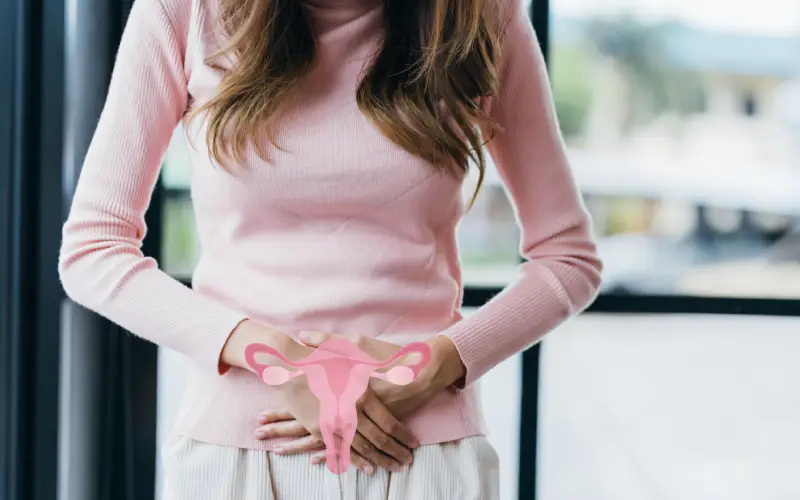
Bowel endometriosis is a rare but serious form of endometriosis. It arises when endometrial tissue outside the uterus settles in the bowel and usually shows itself with symptoms such as abdominal pain, constipation and pain during bowel movements. However, bowel endometriosis can often be confused with other diseases and the diagnostic process usually drags on.
Reasons for Diagnostic Delays
Because of its hidden signs and vague symptoms, bowel endometriosis may not be noticed in the early period. The most common reasons are the following:
Similar symptoms: Bowel endometriosis shows symptoms similar to diseases such as irritable bowel syndrome (IBS), colitis or food intolerances. This can lead to a wrong diagnosis. Late diagnosis: because many conditions evaluate endometriosis and bowel problems separately, bowel endometriosis is usually overlooked for a long time. Most of the time the patient thinks she only has abdominal pain or digestive problems. Insufficient imaging methods: standard ultrasound and MRI may not show the endometriosis tissue affecting the bowel clearly enough. For this reason more advanced imaging methods (laparoscopy, special MRI techniques) are needed.
Diseases bowel endometriosis is confused with
Irritable Bowel Syndrome (IBS): Both endometriosis and IBS share symptoms such as abdominal pain, gas, bloating and changes in bowel habits.
Colitis: Colitis and bowel endometriosis share common symptoms such as pain and bleeding during bowel movements.
Pelvic inflammation (pelvic infections): The differences between bowel endometriosis and pelvic infections may not be clear. This can sometimes end in a wrong diagnosis.
Food intolerances or allergies: Abdominal pain and digestive problems may also resemble other health problems such as food intolerances.
Diagnostic Methods
Bowel endometriosis requires more detailed and specialised tests in order to reach the correct diagnosis. These may include:
Laparoscopy: A surgical procedure that allows endometriosis foci to be observed directly. It is accepted as the most definitive diagnostic method.
Contrast-enhanced MRI: Used to see the endometriosis tissue affecting the bowel more clearly.
Colonoscopy: May be performed to see whether there is any lesion in the bowel, but it is usually not sufficient on its own to detect endometriosis completely.
Treatment Methods
Treatment options in bowel endometriosis vary according to the symptoms, the severity of the disease and the general health of the patient. Common treatment methods are:
Pain management: Symptoms can be relieved with painkillers, anti-inflammatory drugs and hormone therapies (especially birth control pills and progestin treatment).
Surgical intervention: Surgical removal of the endometriosis foci can help relieve the symptoms.
Diet and lifestyle changes: Dietary adjustments and lifestyle changes can help manage the symptoms in the digestive system.
When it is not diagnosed correctly, bowel endometriosis can seriously affect quality of life. Wrong diagnoses can lead to unnecessary treatments and to progression of the disease. An expert approach is needed for early diagnosis and correct treatment.