



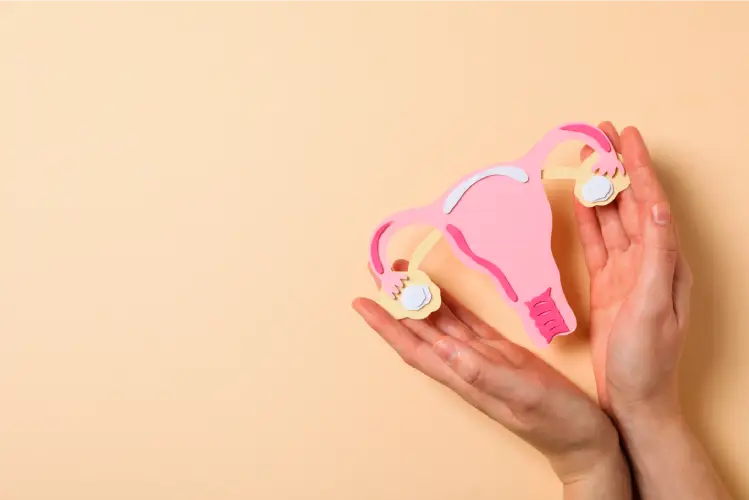
Endometriosis is a disease that can lead to pain in the pelvic region, to infertility and to various sexual health problems. It can cause complaints such as pain during sexual intercourse (dyspareunia), and this situation affects quality of life considerably.
Causes of Painful Intercourse
In people with endometriosis, tissue outside the uterus settling in the vagina, the uterus or the pelvic muscles can cause pain during sexual intercourse. Especially during deep penetration, involvement of organs such as the bladder or the rectum can make the pain more severe.
Effects on Quality of Life
Psychological effects: Painful intercourse can lead to loss of self-confidence, to depression and to anxiety. By turning intercourse into a difficult experience, this situation can damage a person’s sexual life and general mental health.
Relationship problems: Painful sexual experiences can cause stress, communication problems and emotional distance in the relationship with a partner. People may tend to avoid sexual intercourse, which affects the relationship negatively.
Social and emotional effects: The constant pain and restrictions that endometriosis brings can also affect social life. This can make it harder for people to carry on with their daily lives and can lead to social isolation.
Treatment Methods
The following methods can be used in the treatment of painful intercourse caused by endometriosis:
Pain management: Drug treatment, hormone therapies and painkillers can help relieve the pain experienced during intercourse.
Psychological support: Sex therapists and psychologists can help people get through this process in a healthier way.
Surgical intervention: In severe cases, surgical clearance of the endometriosis foci may be required.
Painful intercourse can have serious effects not only physically but also emotionally and psychologically. Treating endometriosis contributes to an improvement in quality of life and makes it possible for people to maintain a healthy sexual life.