



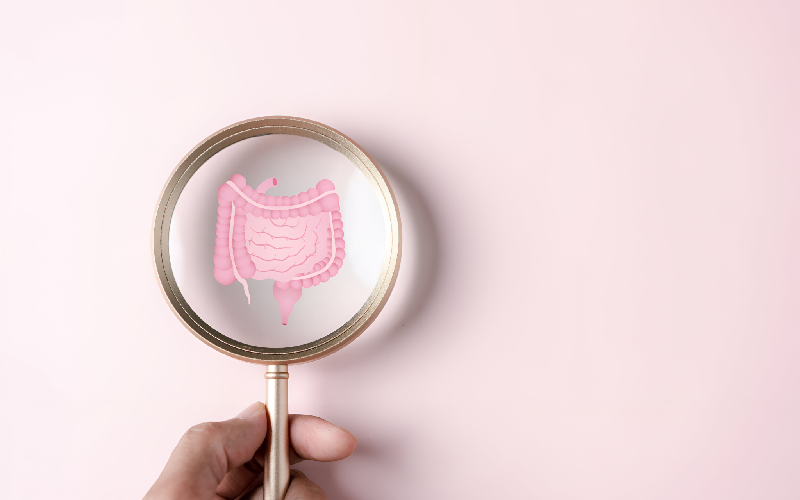
Constipation and Diarrhoea in Bowel Endometriosis
Bowel endometriosis is a condition that arises when endometrial tissue grows in the bowel wall, and it can lead to various symptoms in the digestive system. Among these symptoms, changes in bowel movements such as constipation and diarrhoea are frequently seen.
Constipation and Its Causes
- By causing scar tissue and inflammation in the bowel wall, endometriosis can slow bowel movements down.
- Endometrial tissue in the bowel wall can affect the normal contraction function of the bowel.
- Pelvic pain can make bowel movements difficult and can trigger constipation.
Diarrhoea and Its Causes
- The inflammation caused by endometriosis can increase bowel sensitivity and lead to attacks of diarrhoea.
- Lesions settled in the bowel can shorten the normal transit time and cause fluid loss and symptoms of diarrhoea.
- Hormonal changes can speed up bowel movements, especially during the menstrual period.
Periods of Constipation and Diarrhoea
- In bowel endometriosis, constipation and diarrhoea can follow one another. This cycle makes it difficult for the bowel to work properly and affects quality of life.
- It can be seen together with other symptoms such as chronic pelvic pain and bloating.
Treatment Approaches
- Medical treatment
- The growth of the endometrial tissue can be brought under control with hormone treatments (e.g. birth control pills or GnRH agonists).
- Painkillers and bowel-regulating medicines can relieve the symptoms.
- Tablets containing progesterone, an intrauterine device and subcutaneous implant treatments containing progesterone can also be applied.
- Surgical intervention
- In severe cases, removal of the endometrial tissue with laparoscopic surgery may be required.
- Diet and lifestyle changes
- Eating fibre-rich foods can help regulate bowel movements.
- Probiotics can support the bowel microbiota and contribute to relief of the symptoms.
- Avoiding caffeine and processed foods can reduce bowel sensitivity.
- Pelvic physiotherapy
- Exercises that strengthen and relax the pelvic floor muscles can make bowel movements easier.
When Should You See a Doctor?
- In cases of chronic constipation or diarrhoea that affect quality of life.
- If serious symptoms such as pelvic pain, bleeding or excessive weight loss are observed along with the bowel movements, it is important to consult a gastroenterologist and a gynaecologist.
In bowel endometriosis, a correct diagnosis and a multidisciplinary approach play a critical role in managing the symptoms and improving quality of life.